Storing seasonal clothes efficiently is key to maintaining an organized, clutter-free home. Whether it’s bulky winter coats or lightweight summer dresses, having a system to store your off-season wardrobe can save space and make it easier to find what you need when the seasons change. In this post, we’ll explore practical tips and smart solutions to help you store your seasonal clothes effectively.
Why Proper Storage Matters
When clothes are stored improperly, they can get wrinkled, damaged, or attract pests like moths. Additionally, cluttered closets can make it hard to find what you’re looking for and take up unnecessary space in your home. Efficient storage not only protects your garments but also improves your daily routine by keeping your wardrobe tidy and accessible.
—
Step 1: Sort and Declutter Your Clothes
Before storing, it’s essential to sort through your seasonal clothes. Ask yourself:
– Do I still wear this item?
– Is it in good condition?
– Does it fit?
– Do I want to keep it next season?
Donate or sell clothes that you no longer need. This will reduce the amount of clothing to store and ensure your closet stays manageable long-term.
—
Step 2: Clean Your Clothes Thoroughly
Always wash or dry clean clothes before putting them away. Dirt, sweat, and oils can attract insects and cause stains to set permanently over time. Make sure items are completely dry to prevent mold and mildew, especially for woolens and heavier fabrics.
—
Step 3: Choose the Right Storage Containers
Selecting appropriate storage containers helps protect and organize your clothes.
Types of Storage Containers:
– Plastic Bins: Clear plastic bins with tight-fitting lids keep moisture and pests out while allowing you to see what’s inside.
– Vacuum-Seal Bags: These compress clothes to save a lot of space and protect them from dust and moisture, great for bulky items like coats.
– Fabric Storage Bags: Breathable bags are ideal for delicate fabrics like silk and natural fibers, reducing the risk of condensation.
– Drawer Organizers or Boxes: For smaller items like scarves, gloves, and hats, these keep things neat and easy to find.
Label your containers to make it easier to identify the contents without opening them.
—
Step 4: Store Clothes Strategically
Keep Frequently Used Items Accessible
Store clothes you’ll need closer to your everyday wardrobe or in easy-to-reach places.
Use Vertical Space
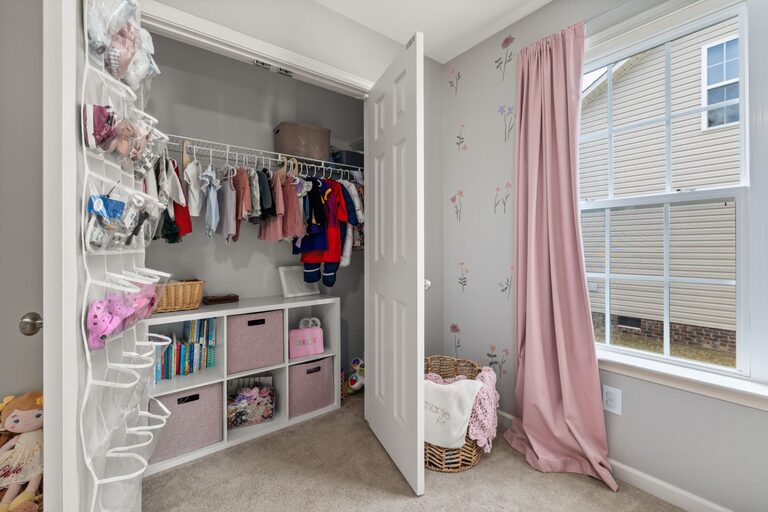
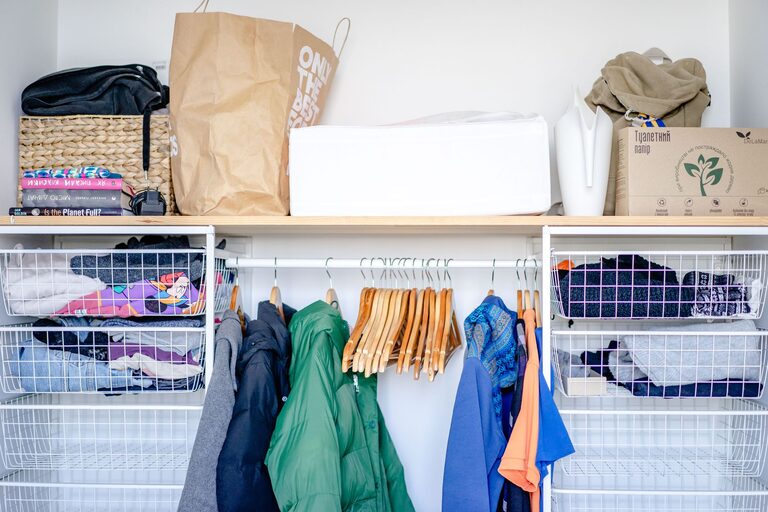
Make use of vertical storage by stacking storage bins or installing shelves. Hanging organizers can also be useful for lighter seasonal clothes.
Avoid Storing Clothes Directly on the Floor
Placing containers off the floor protects clothes from dust, moisture, and pests.
—
Step 5: Protect Clothes from Damage
Use Moth Repellents
Natural repellents like cedar blocks or lavender sachets help keep moths and insects away without strong chemicals.
Avoid Overpacking
Don’t cram too many clothes into one container, as this can cause wrinkles and damage the fabric.
Keep Storage Areas Cool and Dry
Store clothes in a climate-controlled environment if possible. Avoid basements or attics prone to humidity or extreme temperatures.
—
Additional Tips for Specific Garments
Winter Clothes
– Fold heavy sweaters and store them in breathable bags.
– Hang coats using sturdy hangers, or store in vacuum-sealed bags to save space.
Summer Clothes
– Fold lightweight items like tank tops and shorts to prevent stretching.
– Use drawer dividers in bins or containers to keep items organized.
Shoes and Accessories
– Store shoes in clear boxes or shoe organizers.
– Keep accessories in small pouches or dedicated sections within your storage bins.
—
Maintaining Your Seasonal Storage System
Each season, revisit your stored clothes to refresh the system:
– Check for any signs of damage or pests.
– Rewash or air out clothes as needed before use.
– Update your inventory if you acquire new items or decide to donate some pieces.
Routine maintenance ensures your seasonal wardrobe stays in excellent condition and is ready when you need it.
—
Final Thoughts
Efficiently storing seasonal clothes doesn’t have to be overwhelming. With some thoughtful sorting, cleaning, and the right storage solutions, you can keep your wardrobe organized and protected year-round. Implementing these simple steps not only optimizes space but also prolongs the life of your clothes, making seasonal transitions smoother and more enjoyable. Happy organizing!